Click on each project to learn more.
AI-Based Drone Swarm in Search and Rescue
Partner: RTX

Madison Lin
Leonardo Gutierrez

Tam Lawrence

Ian Tang

Kaydee Reyes
Project Overview: Search and Rescue (SAR) operations are time-sensitive, resource-intensive, and often dangerous for human responders. Traditional SAR teams must manually divide search regions, coordinate field personnel, communicate progress, and decide where to search next. Drones reduce human risk, cost, and can inspect terrain that is often difficult or unsafe for responders to reach, but most drone deployments still require one human pilot per drone. So as n number of drones are deployed, n number of operators are needed.
Our project addresses this problem by prototyping a simulated autonomous drone swarm for SAR. Instead of manually piloting each drone, one operator can define a mission area, select a search strategy, place or randomize missing hikers, and monitor the swarm through a live map interface. This work is important as the whole point of SAR missions are to search fast, find fast, and cover as much area as redundantly as possible. This prototype provides a safe simulation environment for testing swarm behavior, search algorithms, mission control interactions, and benchmark metrics before any physical drone deployment.
Automating Structural Data Extraction and Documentation
Partner: KPFF
Brigitte Ann
Chung

Kylie Hu

Riya Sri Rallabandi
Project Overview: Structural engineers at KPFF spend substantial time on manual, repetitive data tasks that span the entire lifecycle of a project, from initial design optimization to final documentation compiling. A primary bottleneck occurs during the shear wall design process. A shear wall is a critical structural element designed to resist lateral forces, such as wind and earthquakes. Traditionally, engineers must visually identify each shear wall in architectural CAD PDFs, manually transcribe coordinates and lengths into Excel spreadsheets, and iteratively tweak design parameters to determine safe, code-compliant, and cost-effective materials. Once finalized, these results must be manually cross-referenced, cross-scheduled with drafting teams, and compiled alongside hundreds of pages of external structural calculations into a cohesive final report.
What begins as a necessary design step becomes a significant bottleneck, consuming hours of an engineer’s time with each major revision. The core inefficiency lies in the manual translation of information between formats. In these workflows, engineers spend more time acting as data finders and pipelines, moving information from PDFs to spreadsheets and back again. This tedious process increases the risk of oversights to clerical work and diverts valuable engineering attention away from critical structural analysis, safety optimization, and design innovation.
EatAI Mealbuilder: Eating Out Made Easy
Partner: Eatery

Elisha Nguyen

Tyler Nguyen

Abdullah Alfuraih

Nicholas Huang

Samuel Lee
Project Overview: All people need to eat, and many choose to do so by dining out. However, the busyness of everyday life restricts the ability to plan and pursue goal-oriented eating out. Whether it be budget, calorie goals, or other nutrition restraints, there is a lack of tools to optimize these factors and enable clear meal planning. The rise of AI and large language models makes information accessible to all, but errors by hallucination are inevitable. In a world where new information is constantly generated, accuracy and efficiency is key. Meal planning is a universal, everyday problem. Optimizing meal planning not only solves a surface problem, but the underlying factors that play into it. Budgeting finances prevents overspending, supports financial goals, and reduces stress. Tracking nutrition information enables healthy habits, improves nutritional balance, and helps achieve health goals. Ultimately, an optimized meal planner streamlines decision making and maximizes time, improving productivity while helping people achieve their goals.
Electromyography-based Myoelectric Biomechanical Realtime Arm Control Engine
Partner: Siemens

Pranavi Gollanapalli

Stanley Jian

Justin Tran

Tony Liu

Erick Ahumada
Project Overview: Conventional prosthetic arms are often costly, unintuitive, and difficult to use effectively. Many commercially available devices require extensive training and effort to conduct even simple movements. Despite this effort, users frequently report that these controls feel unnatural, thereby limiting the prosthetic’s functional benefit. Additionally, the complex
mechanical designs and electronic systems used in modern prosthetics make them prone to mechanical wear, electrical failures, and calibration issues, all of which require costly professional maintenance. As a result of these usability and reliability challenges, nearly half of arm amputees do not regularly use their prostheses, despite their potential advantages.
This project aimed to develop a prosthetic arm controlled by surface electromyography (sEMG) signals. By capturing muscle activity in a user’s forearm and applying machine-learning-based classification, the system translates intended hand movements into the prosthetic’s physical motion. The final prototype successfully demonstrates real-time control and includes a fine-tuning capability to improve performance for individual users. Testing and video demonstrations show that the system can accurately classify user intentions and actuate the prosthetic accordingly. While the current design is limited by the inability of the fingers to move independently, the project establishes a strong foundation for future work on more advanced prosthetic hardware and meta-learning techniques to improve adaptability and personalization.
Estimator Engine
Partner: Midnight Oil

Raghav Sriram

Hari Pathanjaly

Adithya Bollu
Andrew Xiong

Yashas Raman
Project Overview: Quotes are estimates that tell clients how much a custom project will cost to produce. For Midnight Oil, an entertainment advertising company, good quotes need to be accurate, fast, and flexible enough to handle client revisions. Bad quotes take too long, can’t adapt to changes, and cause lost deals. The problem we are trying to solve with this capstone project is the prolonged current quote generation process. Right now, Midnight Oil uses EFI iQuote, which currently fails them because it is extremely rigid and template-based, so estimations are a slow, inflexible, and manual process. When clients request rapid changes to quantity, quality, or features, the existing system cannot quickly adapt to generate updated quotes. The lengthy back-and-forth delays cause deals to stagnate or die entirely, resulting in lost revenue and fewer customers. Furthermore, iQuote doesn’t tap into historical project data. Estimators have no way to search past projects by description or find comparable work, meaning years of valuable pricing data sits unused while they manually estimate each new request.
The Estimator Engine is a web tool that compresses this turnaround from days to minutes by generating a fast, reasonably accurate “gutshot” quote, and its primary users are Midnight Oil’s sales representatives, who need to respond to clients quickly without waiting on the production team to price each job by hand. The final solution lets a sales rep assemble a standee from its individual components, select a pricing scenario, and instantly receive an itemized quote they can review and adjust before sending to the client, combining a structured pricing model, a saved-quote history, and a computer-vision step that reads a standee blueprint and breaks it into priceable parts.
EthicChat: Persuasive Chatbot for Banking Support
Partner: TCS

Shriivanth Gunanidhi

Arnav Pandey

Jacob Horne

Jason Wong
Rounak Rao
Project Overview: Banking customers in emotionally or financially vulnerable situations — such as those considering early withdrawals or account cancellations — are underserved by existing chatbot solutions. Rule-based bots follow rigid scripts with no emotional awareness, generic LLMs (large language models) lack banking-specific compliance layers, and human agents are costly and unscalable. The result is a gap where customers receive neither empathetic support nor policy-compliant guidance.
EthicChat is a LangGraph multi-agent pipeline combining ethics gating with soft-persuasion generation. Every query passes through a classifier before any response is produced. A dedicated Ethics Gate agent enforces compliance, and a Critic agent scores and revises outputs for empathy, safety, and regulatory alignment. A human-in-the-loop escalation path handles ambiguous edge cases.
NasomEATR
Partner: Bioengine
Priya Deshmukh

Mohammadarshya Salehibakhsh

Vidhya Pillai

Jakob Groh
Yahir Vazquez
Project Overview: NasomEATR is a collaborative project between Bio-Medical Engineering (BME) and Information & Computer Science (ICS) students in which a portable nasometer device and its associated application is developed. While the BME team is focused on designing and manufacturing the device prototype, we, as the ICS team, are focused on developing the application that works with the device.
Cleft lip and palate is the most prevalent congenital anomaly influencing the head and neck. Patients born with cleft palate require surgical treatment as well as prolonged speech therapy. Even after successful surgical repair of the cleft and restoration of typical palatal anatomy, many individuals continue to exhibit speech differences. These differences usually manifest in the form of nasal air emission and hypernasality. Nasal air emission refers to the escape of air through the nose during speech sounds that are normally directed exclusively towards the oral cavity. This is mainly caused by incomplete closure between the oral and nasal cavities. Hypernasality is an excessive nasal resonance during speech, especially with vowel pronunciation, resulting in “nasal” tones. Both of these problems are difficult to diagnose, treat and monitor. Existing nasometers are bulky, expensive, and uncomfortable for patients, limiting their practicality for regular clinical use. By developing a portable nasometer prototype and companion mobile application, assessments of nasal air escape can become more accessible and affordable. The addition of a mobile app would allow measurements to be performed conveniently, making the process more user-friendly for both physicians and patients
PrintPal by Toshiba: Your Cheerful Companion for Choosing the Perfect Printer
Partner: Toshiba

Christopher Nguyen

Linn Oo

Moustafa Ghanem

Yahav Romano

Thomas Phan
Project Overview: Buying a new printer is a difficult task for a household, let alone a company trying to procure a fleet of them for their business. Information about a client’s existing devices, technical requirements, and operating conditions is often scattered across different data sources. To find the right fit, an expert must manually cross-reference these complex client needs against Toshiba’s extensive catalog of printer models.
Without a dedicated system to automate this technical comparison, the process is highly vulnerable to human error. A simple typo during manual assessment can lead to wildly inappropriate configurations—such as recommending an industrial fleet capable of printing 50,000 sheets per minute instead of a required 5,000, resulting in an overpriced and inaccurate proposal.
Our system solves this by automating the printer comparison and mapping process. By parsing the given list of printers, matching it against known models in Toshiba’s database, then prompting using a base set of rules to recommend by, Toshiba’s recommendation team can speed up the process of manual assessment, leading to faster return times and a lower likelihood of human input errors.
Project Converge
Partner: ID TECH
Deyi Chen
Gavin Gee
Lucas Zhong
Richie Kadota
Calvin Li
Project Overview: ID TECH manufactures payment solutions such as card readers, PIN pads, and payment terminals. They are used in a variety of places, such as parking lots, retail stores, EV charging stations, etc. Their merchants (businesses evaluating payment hardware) have different needs and thus need to decide what is most appropriate. An overwhelming number of device models exist, each with different power requirements, environmental ratings, interfaces, and software compatibility. Finding the right device requires matching technical specs against the merchant’s unique deployment environment.
Our solution was the ID TECH Agent, which is an AI-powered conversational chatbot that helps people find the right payment solution for their needs and connects them with ID TECH representatives. It sits at the right side of the screen, much like traditional chatbots.
Multi-Modal Medical Data Platform for Oral Cancer Analysis
Partner: Supernova Academy

Stanley Sha

Nathan Tran

Ethan Cortez

Angie Cheng

Kristal Hong
Project Overview: Physicians and medical students lack a comprehensive tool to view medical scan files. By providing a visualization software, physicians and medical students are able to plan precise surgeries and study anatomy respectively. Malignancies can also, in turn, be automatically detected by specialized algorithms, reducing the time professionals spend to diagnose diseases. As such, our project aims to create an ultimate tool that combines visualization along with the automatic diagnosis of cancers, specifically oral tumors. By utilizing this software in its full capacity, physicians would be able to have a “copilot” when it comes to diagnosing problem regions, resulting in a diagnosis score that is backed by both medical specialists along with data-backed machine learned scores. Students would use the program as an educational tool, studying an actual anatomically-correct model of the human body.
Our current implementation is a working prototyped 3D engine that is able to take in medical scan files (DICOMs) and produce an interactive 3D model. The engine supports both CT scans alongside MRI scans–the two most prevalent scan types. While recreating the model, the DICOM files go through a segmentation process which allows two open source modules, TotalSegmentator and MRSegmentator, to detect and output a list of detected organs within the scan region. When the model gets constructed, these detected organs are separated into different colors, thereby allowing easy visual distinction between the various organs.
RoleLens
Partner: Temco Logistics

Ashley Zhou
Jerald Adriano

Jonathan Pan

Novyanna Tsang

Pranav Gonuguntla
Project Overview: Most companies like Temco Logistics run on data, but answering a simple question can take 10+ minutes of manually digging through dashboards to find the necessary information. Also, sensitive enterprise data can unintentionally leak when access is only controlled at the dashboard level. Existing tools lack role aware access control and force employees to navigate multiple disconnected systems. Currently, no existing tool carries a user’s identity all the way from chat to the database, so agents either overshare data or fall back to one-size-fit-all answers.
Our solution was to build an identity based chatbot that answers natural language questions using only the data that the user is authorized to see. It preserves user identity from the chat layer all the way through to the data layer with the use of User-to-Machine authentication (U2M), so two users asking the same question will only see their scoped data. Our solution contains a custom MCP server that wraps the Databricks Supervisor Agent endpoint to support this connection, and also deploys a bot service to operate within a company’s existing chat ecosystem (in this case, Microsoft Teams) via Azure AI Foundry.
Survey Sage
Partner: Asahi Group Holdings Ltd.
Christopher Cho
Trevor Chow

Elliot Chun
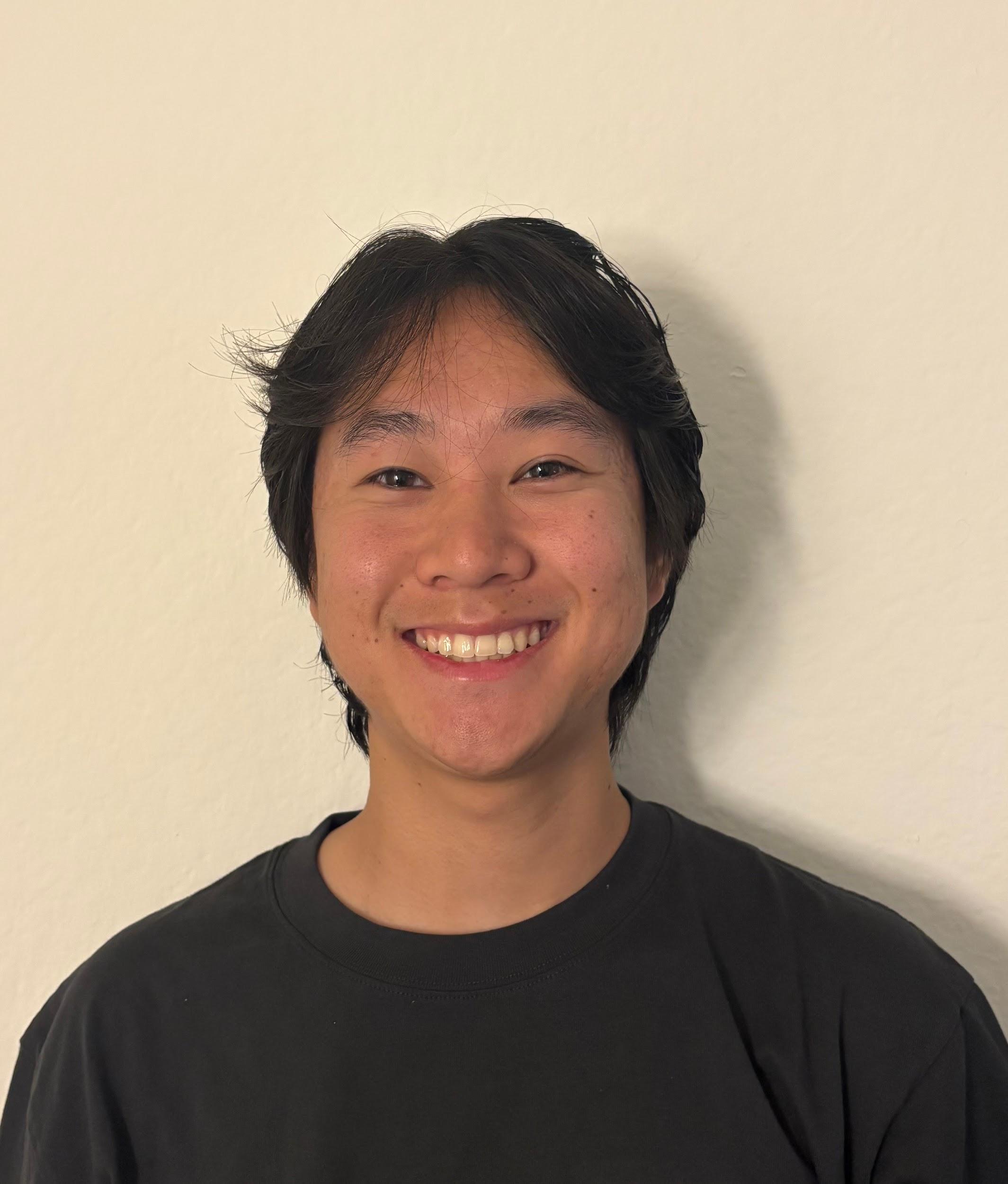
Daniel Meng

Jackson Yan
Project Overview: Clinical and medical studies conducted by the UCI School of Medicine require continuous monitoring of participant stress and mental well-being. Accurate and reliable data collection is foundational to producing research results that can inform future treatments. In the current stress management trial, participants’ mental state is recorded using structured, self-reported rating-scale surveys. While these instruments are standardized and easy to administer, they introduce several systematic challenges that can degrade data quality over time.
Survey Sage addresses these challenges by replacing direct form completion with a conversational interface. Participants describe their experiences in natural language, and a large language model extracts the structured survey responses from the conversation. This approach is intended to reduce participant fatigue, capture richer contextual information, and standardize the data collection process without requiring participants to internalize scoring rubrics.
The Imagination Engine: Your Data, Your Ideas
Partner: Balnce AI
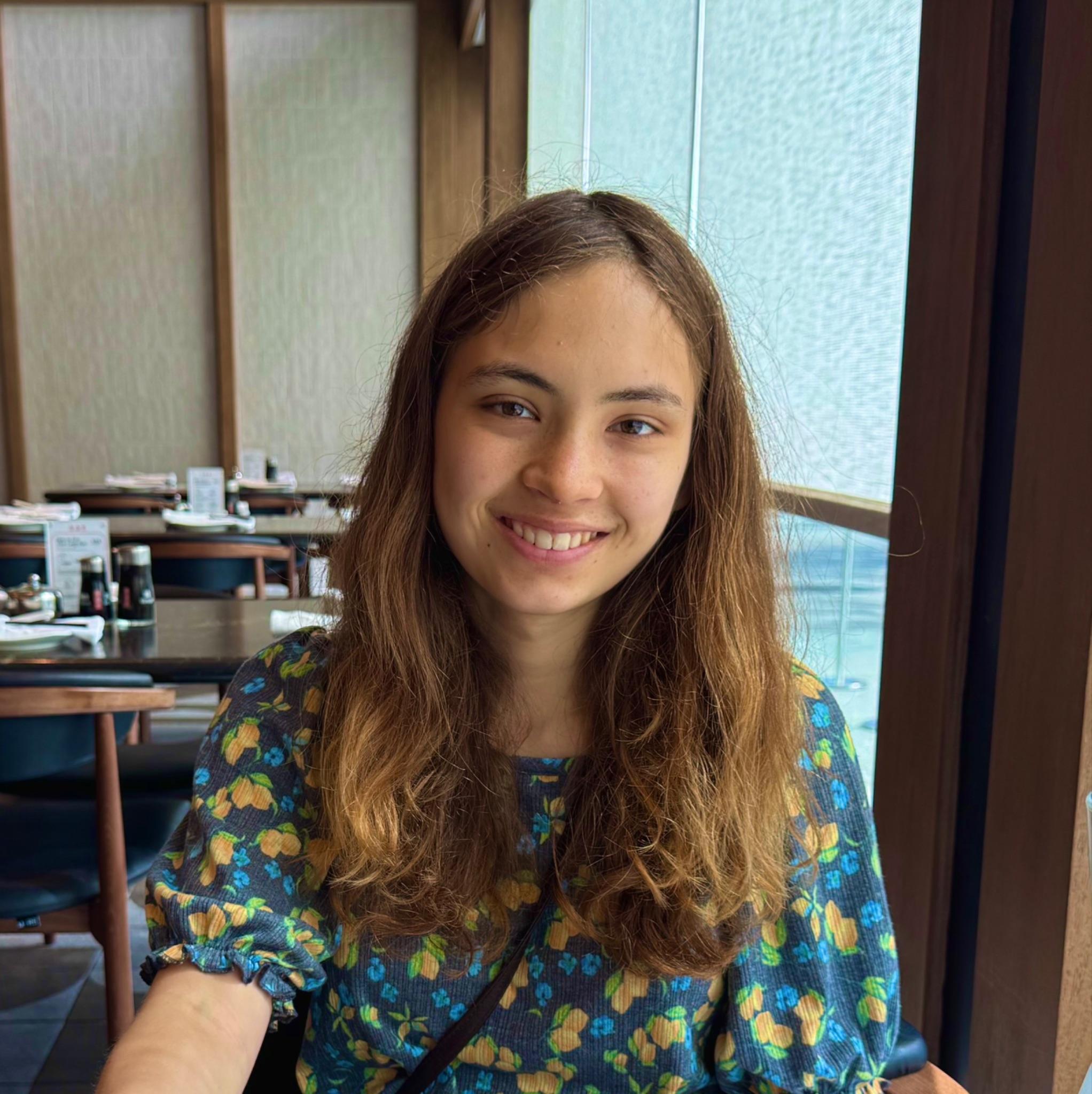
Alexa Duffy
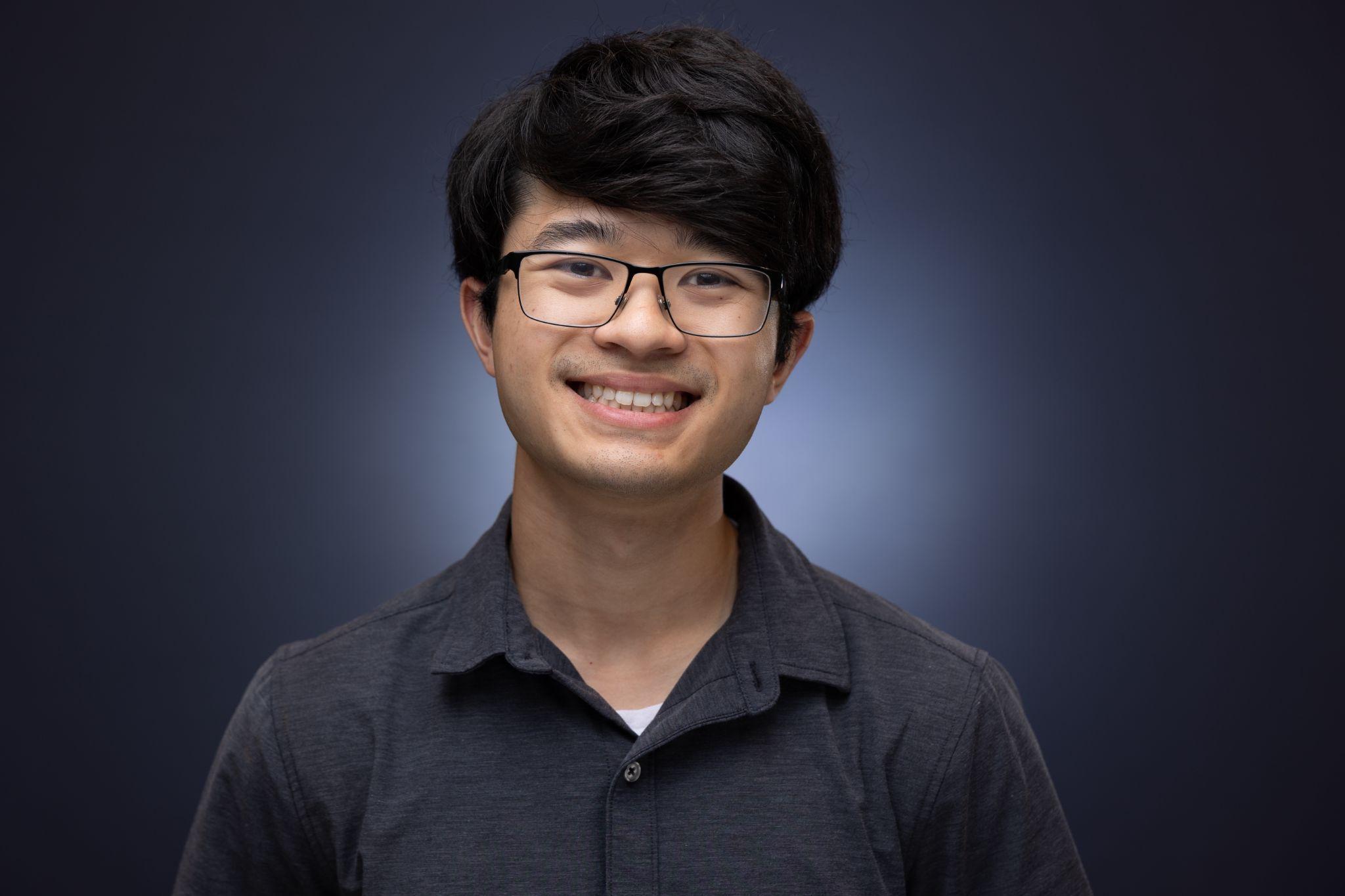
Nathan La

Timothy Dacalos

Joshua Payes

Yamil Vazquez
Project Overview: With the current rise of AI-assisted tools in every sector which power individual workflows in our everyday life, the average person begins to concern themselves with how secure these systems are. Who gets their data? Who sees the benefit? Can we as individuals truly call our ideas our own? Those are some examples of the issues Balnce AI has set out to address. Through working with Balnce AI, in conjunction with their vision for a widely accessible, decentralized generative AI system, we bring you their all-new Infinite Canvas: The Imagination Engine.
In our program, users will be able to create a group of local or cloud-connected AI agents, depending on what the user selected, that support anything they need and accomplish tasks. The goal is to create a “life operating system” that allows users to connect all parts of their lives into a single intelligent AI that is private, self-hosted, and decentralized. AI agents will be the key players in this vision and allow tasks to be done on the users’ behalf by searching the network for anything useful they need. The AI will be able to create workflows and assist the user with creating anything they could imagine, like apps, movies, or videos. This deeply connected AI will solve the problem of fragmentation between AI tools online while creating an ecosystem focused on privacy.
WaveAutomate: AI Receptionist and Scheduling Agent
Partner: WaveAutomate

Anna He

Jessica Lin

Bevin Huynh

Steven Lee

Jonathan Vu

Elena Kao
Project Overview: WaveAutomate is an AI-powered receptionist platform designed for dental practices that struggle with missed calls, limited receptionist availability, and inefficient patient scheduling workflows. Traditional receptionist systems cannot provide 24/7 coverage, resulting in lost appointment opportunities and reduced patient satisfaction when calls occur during peak hours, after business hours, or on weekends. The primary users of the system are dental practice owners, office staff, and patients seeking convenient access to scheduling and practice information.
Our solution is a web-based dashboard integrated with an AI voice and chatbot receptionist capable of handling patient interactions, scheduling appointments, answering frequently asked questions, and routing calls when necessary. The platform combines conversational AI, scheduling integrations, analytics, notifications, and subscription management into a centralized system that allows practices to monitor and customize their AI receptionist.
Hyperlocal Retail Intelligence Through Mobile Imaging
Partner: Wayvia

Eric Cao

Cody He

Vibha Yarlagadda

Diego Gonzalez Lopez
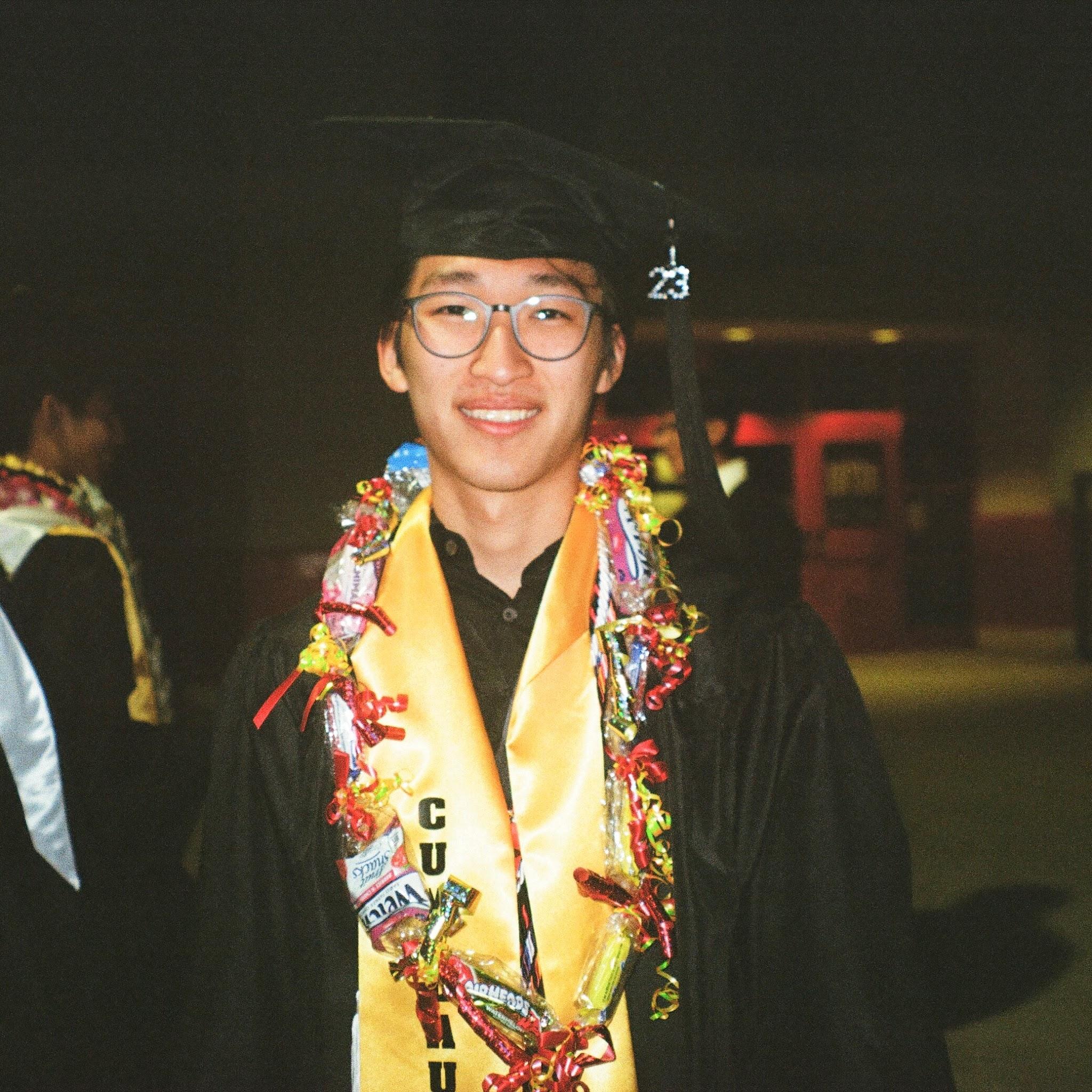
Daniel Kim
Project Overview: Today’s retail environment integrates both physical and digital channels, making access to accurate, real-world store data more important than ever. Product brands need verified hyperlocal insights to optimize distribution strategies, adjust localized marketing, ensure proper product placement, and maintain competitive pricing.
Product brands depend on timely and accurate information about their products to make informed business decisions about product placement and unit pricing when working with retail stores. Although many retail stores provide inventory and pricing data through APIs or websites, these sources are often incomplete, delayed, or inconsistent at the individual store level. As a result, brands struggle to obtain accurate, real-time insight into hyperlocal inventory levels, price variations, and product availability across thousands of locations.
This lack of reliable ground-truth data creates a knowledge gap for brands, leading to lost sales opportunities, inefficiencies, and an inability to respond quickly to local market changes. For major brands, having accurate hyperlocal data could make a major difference in market positioning and revenue. Therefore, we hope to collect such data with the help of paid volunteers.
We developed a mobile app with integrated AI to aid in data capture from receipt scanning and shelf photography. This app was developed with usability in mind, including an on-board AI using OpenCV to guide the user in taking quality images for data retrieval. For image processing, we implemented a multi-method pipeline that accurately extracts product information, including SKUs, prices, quantities, and availability, from images with validation workflows. These methods include AI Vision, OCR, Image Searching, UPC Mapping, and human verification when all else fails.